

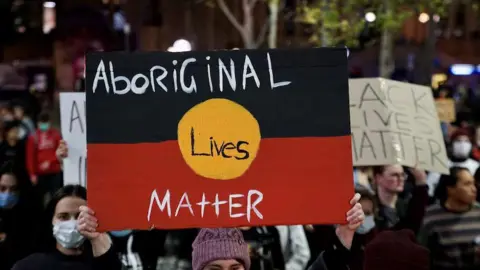
The number of Indigenous people dying while in custody in Australia has reached its peak point since official data started in 1980.
Recently released statistics reveal that 33 of the 113 people who died in custody in the 12-month period leading up to June have been identified as of Aboriginal or Torres Strait Islander descent. This marks an increase from 24 fatalities in the preceding corresponding period.
Indigenous Australian people are grossly represented in the justice system. They constitute more than one-third of all prisoners, despite comprising under 4% of the national population.
These sobering statistics come to light over three decades after a landmark inquiry into Indigenous deaths in custody, which made hundreds of recommendations.
Detailed Analysis of the Latest Figures
Of the 33 Aboriginal deaths in custody logged between last July and this June, twenty-six took place while in a correctional facility, which is an rise from 18 in the previous year.
A single death occurred in youth detention, and all except one of the individuals were male.
The other six fatalities took place in police custody, defined as a situation where someone dies while police are detaining them.
The leading reason of Indigenous deaths was categorised as "self-inflicted," followed by "natural causes." The data found that asphyxiation was the method in eight of the cases.
Geographic Breakdown
The state of New South Wales recorded the highest number of Aboriginal deaths in correctional facilities with nine, followed by Western Australia with six. Queensland, South Australia, and the Australian Capital Territory all recorded three deaths.
The rising number of First Nations deaths in custody in this state is a "deeply distressing tragedy," the state's chief medical examiner recently stated.
In a recent statement, Coroner Teresa O'Sullivan emphasised that this upward trend was not "just statistics" and that these deaths required "thorough and careful scrutiny, dignity and responsibility."
Demographic Information and Academic Reaction
The average age of those who died was 45, and eleven of the deceased were awaiting a sentence.
A university associate professor, Amanda Porter, described the data as representing a "national emergency" that requires "leadership and government action."
Ms. Porter, who has attended multiple coronial inquests with grieving families, said very little has changed since the 1991's national inquiry that was established to address this crisis.
"It's heartbreaking to see the number of investigations I attend, the number funerals families have to attend, and the reality that we are 30 years past the royal commission, and the problem is getting progressively worse," she noted.
Since the landmark inquiry, a approximately 600 First Nations people have died in detention, which includes six in youth detention, as per the findings.


